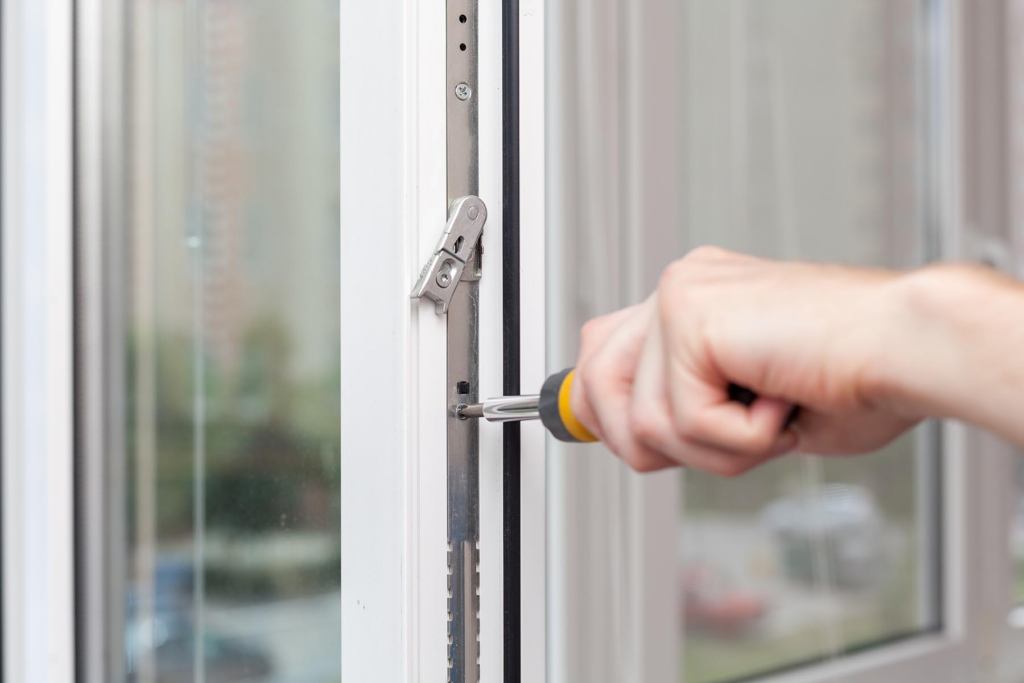
Comprehensive Guide to Window Hardware Repair
Windows are vital components of any building, supplying ventilation, natural light, and aesthetic appeal. Nevertheless, with time, window hardware can degrade or become damaged due to use and tear, improper installation, or environmental aspects. Fixing window hardware is a crucial maintenance task that can extend the life of windows and improve their performance. This guide will explore the types of window hardware, typical concerns, repair options, and maintenance suggestions.
Comprehending Window Hardware
Window hardware includes numerous elements that allow windows to run effectively. These parts can differ depending on the type of window-- double-hung, casement, moving, or awning. Here are some common types of window hardware:
| Type of Hardware | Description |
|---|---|
| Window Locks | Secure the window in a closed position |
| Hinges | Permit windows to open and close efficiently |
| Sashes | Frame that holds the glass panes |
| Weather Stripping | Insulates and seals gaps to avoid drafts |
| Operators | Mechanisms that manage the opening and closing of casement windows |
| Crank Handles | Utilized to open and close casement windows |
Common Window Hardware Problems
Window hardware can deal with various problems, often resulting in lowered performance or complete breakdown. A few of the most common problems consist of:
- Sticking or Stuck Windows: This issue often occurs due to dirt build-up, painted hardware, or bent frames.
- Broken or Missing Locks: This can jeopardize security and should be attended to promptly.
- Damaged Weather Stripping: Deteriorated weather stripping cause drafts and increased energy costs.
- Faulty Hinges: These can cause windows to droop or not open properly.
- Cracked or Damaged Sashes: If a sash is not intact, the window might not operate properly.
- Faulty Crank Mechanism: In casement windows, a defective crank can prevent the opening and closing of the window.
Steps to Repair Window Hardware
Repairing window hardware involves a range of skills and tools. Here are some general steps for attending to typical window hardware issues.
1. Guarantee Safety First
Before starting any repair work, guarantee security by:
- Wearing gloves and protective eyeglasses.
- Using a durable ladder for high windows.
- Turning off any linked electrical power if you require to work near circuitry.
2. Determine the Problem
Examine the window and its hardware completely to figure out the particular issue. Try to find signs of wear, rust, or misalignment. When determined, refer to the above lists of common issues to ascertain the required repair work.
3. Collect Necessary Tools and Materials
Having the right tools and materials on hand will make the repair procedure smoother. Typical tools required consist of:
- Screwdrivers (flathead and Phillips)
- Pliers
- An energy knife
- Replacement parts (e.g., locks, hinges, weather condition stripping)
- Wood glue (for loose sashes)
- Sandpaper (for rough edges)
4. Carry out Repairs
Sticking Windows
- Tidy the Sash and Frame: Remove any dirt carefully.
- Adjust or Sand: If it's a paint problem, carefully sand down the edges for a smoother operation.
Broken Locks
- Replace the Lock: Unscrew the old lock and install a new one. Ensure that it fits snugly and functions well.
Worn-Out Weather Stripping
- Eliminate Old Stripping: Use an utility knife to cut the old weather condition removing.
- Include New Stripping: Measure the window to cut fresh weather condition removing and protect it onto the frame.
Faulty Hinges
- Tighten or Replace Hinges: If loose, merely tighten the screws. If damaged, get rid of the old hinge and install a brand-new one.
Damaged Sashes
- Repair Loose Sashes: Use wood glue and clamps to secure them. For fractures, think about using epoxy resin.
Defective Crank Mechanism
- Check and Replace Crank: If the crank doesn't turn, take apart the system and replace it with a new, compatible one.
5. Test the Repairs
After making the required repairs, test the window a number of times to make sure that it functions properly. This includes opening, closing, locking, and looking for drafts.
Maintenance Tips for Window Hardware
To avoid more problems with window hardware, regular maintenance is crucial. Here are some pointers to keep windows in great condition:
- Regular Cleaning: Keep the frame and sash clean to prevent sticking.
- Lubricate Moving Parts: Use silicone spray or graphite powder on hinges and locks to lower friction.
- Inspect Weather Stripping: At least twice a year, check and replace weather stripping if worn.
- Display for Damage: Regularly check for indications of rust, damage, or misalignment in hardware.
- Prompt Repairs: Address any concerns as quickly as they develop to avoid more extensive damage in the future.
Often Asked Questions (FAQs)
Q1: How often should I check my window hardware?
A1: Inspect your window hardware at least twice a year, preferably before the onset of winter season and summertime.
Q2: Can I repair window hardware myself?
A2: Yes, lots of window hardware issues can be fixed with standard tools and abilities. Nevertheless, for complex problems or if you're unsure, consider consulting a professional.
Q3: What should I do if my window won't open at all?
A3: Identify if the concern is with the hardware or frame. If you can't find an option, seeking professional assistance may be necessary.
Q4: Is it worth it to replace old hardware?
A4: If the hardware is triggering substantial issues or ineffectiveness, replacing it can improve window function and possibly save money on energy expenses.
Q5: What are some signs that my window hardware needs repair?
A5: Signs include problem opening or closing windows, gaps that allow drafts, broken locks, or visible rust and corrosion.
Fixing window hardware is a basic element of home maintenance that can enhance window performance, energy effectiveness, and safety. By comprehending typical issues, carrying out repairs, and following maintenance pointers, house owners can ensure their windows serve their intended functions efficiently for many years to come. Routine examinations and timely interventions can avoid small concerns from turning into substantial troubles. Local Window Doctor if required, but numerous repair work can be managed independently with the best resources.